
About me
Welcome
Many of the people I work have spent a long time trying to understand themselves, and often find they can effectively articulate these things quite well, yet still feel emotionally stuck, overwhelmed, or disconnected underneath.
On the outside, life may look functional or even successful. Internally, it can feel like something doesn’t quite match that experience.
You might relate to:
feeling emotionally overwhelmed even when things look “fine”
overthinking or analyzing your feelings instead of experiencing them
people pleasing or over-functioning in relationships
chronic self-doubt or self-criticism
masking or adapting to others without realizing how much energy it takes
burnout that doesn’t fully improve with rest
wondering if you may be Autistic or ADHD, especially later in life
If this resonates, you’re not alone in it — and there’s often a reason these patterns developed.
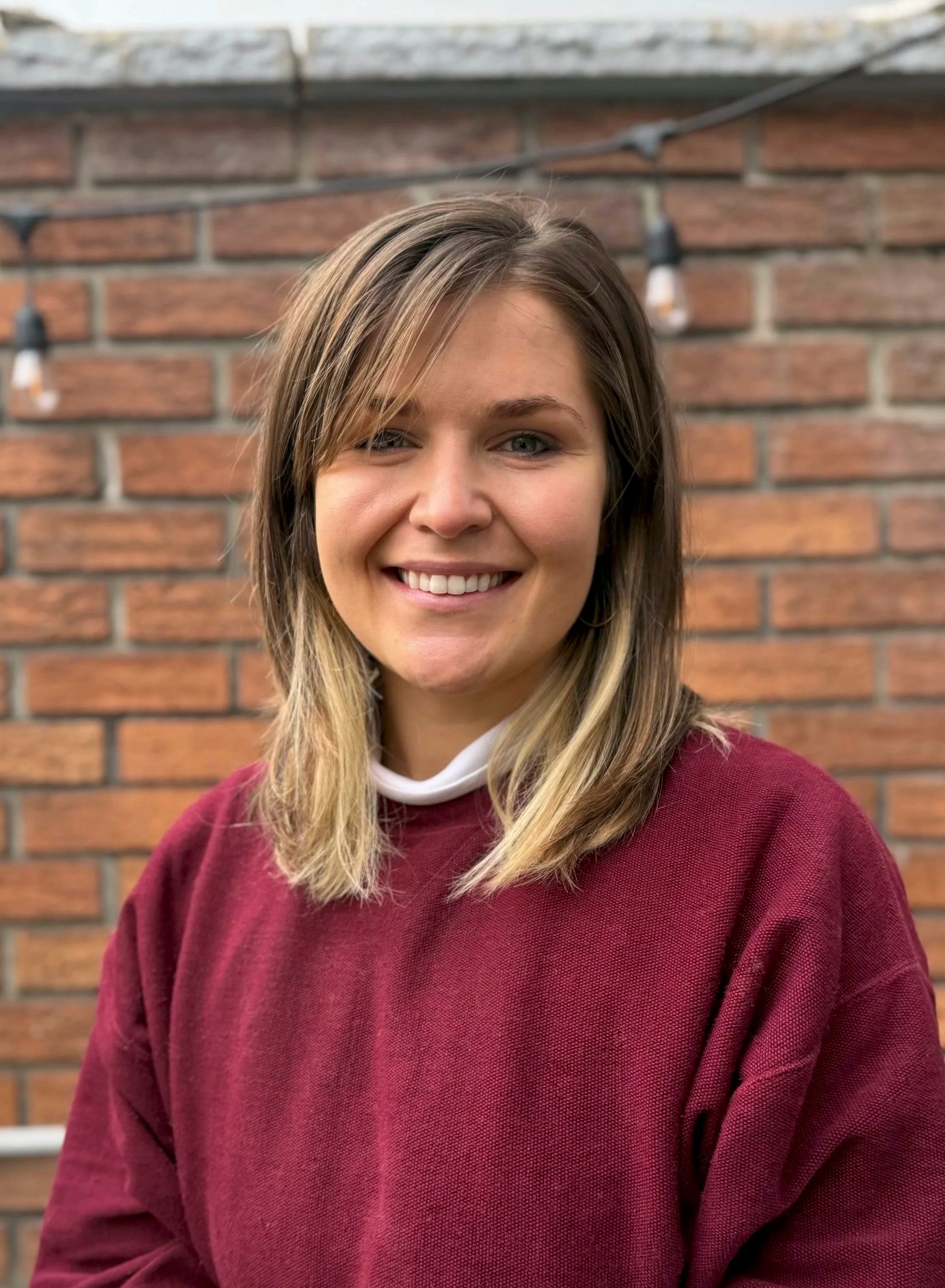
I’m a queer, IFS therapist. I bring both clinical skills and lived experience to our work as a neurodivergent clinician with complex trauma.
My clients can often appreciate my sense of humour, candour, and warmth during sessions.
I know when I’m a client, I need to work with someone who “gets it” and I’m happy to have a chat before we decide to work together to see if we’re on the same wavelength. If anything I’ve shared resonates with you, please feel free to reach out to set up a phone or video consultation or initial session.
Hi, I’m Jenna
Who I work with
I specialize in working with adults navigating trauma, masking, people pleasing, overachieving, ADHD, late diagnosed Autism, and emotional burnout.
Many of my clients appear to be coping quite well on the outside, but internally feel exhausted, anxious, disconnected, or unsure why things still feel so hard.
Some are exploring neurodivergence for the first time later in life. Others have long understood themselves intellectually, but still struggle to feel a sense of emotional ease or self-trust.
Why this work matters
These patterns are often deeply adaptive.
Many people I work with learned to cope through:
overthinking and intellectualizing emotions
masking or performing social expectations
people pleasing to maintain connection or safety
overachieving to feel a sense of worth or control
staying “high functioning” even when exhausted
These strategies are not problems to eliminate — they often developed for very understandable reasons.
But over time, they can become exhausting, especially when they are no longer matched to your current life.
Therapy can be a space to understand these patterns with more compassion, rather than judgment or pressure to “fix” yourself.
My approach
My work is grounded in Internal Family Systems (IFS), a model that understands our inner world as made up of different “parts.”
For example:
a part of you might push you to overachieve or stay productive
a part might people please to avoid conflict or disconnection
a part might shut down when things feel overwhelming
a part might analyze everything to stay in control
These parts aren’t flaws — they are protective.
In IFS, we don’t try to get rid of them. We get curious about them, understand what they are protecting, and build a different relationship with them over time.
This process often supports more internal calm, clarity, and self-trust.
What therapy is like with me
Therapy with me tends to be reflective, collaborative, and paced with care.
Many clients come in with a strong capacity for insight, but find that insight alone hasn’t been enough to create meaningful change.
In our work, we slow things down enough to notice what’s actually happening internally — not just what you understand about it.
We may work with:
emotional overwhelm and nervous system responses
patterns of overthinking or intellectualizing
self-criticism and internal pressure
relational patterns like people pleasing or over-functioning
experiences of masking or identity confusion
burnout and depletion
The goal is not to “perform therapy well,” but to create space where you can relate to yourself differently.
Neurodivergence + late discovery
Many of the people I work with are exploring whether they may be Autistic or ADHD, often later in life.
This realization can bring both clarity and grief — especially for those who have spent years masking, adapting, or pushing through without understanding why things felt so effortful internally.
Therapy can be a space to explore these questions without pressure or needing certainty, and to begin understanding your experience through a more accurate and compassionate lens.
Qualifications
I am a registered social worker holding a Masters degree in Social Work from York University. My Bachelors degree is in Social work from Wilfrid Laurier University, where I minored in Psychology. I started my work in crisis work with sexual and domestic violence, followed by counselling work in addiction, and I now work full time in private care.
License and trainings
Master of Social Work
Registered Social Worker (RSW) in the Ontario College of Social Workers & Social Service Workers
Registration with the Ontario Association of Social Workers (OASW)
Level 1 IFS Certified (2025)
IFS and Autism (2024)
IFS and Exiles (2022)
IFS Intro (2021)
Intro to Narrative Therapy (2021)
Crisis Work with Survivors of Sexual Violence (2018)
Nonviolent Communication and De-escalation (2018)
Wholistic Healing (2018)